


Maintenance Practices for Inlets, Manholes, and Outlet Structures in Public Works and Road Projects
Municipal infrastructure works hard every day. From handling heavy traffic loads to managing stormwater during intense rainfall, structures like inlets, manholes, and outlet systems are essential to keeping roads safe and communities functioning properly. While precast concrete is known for its durability and long service life, even the strongest structures benefit from routine maintenance.
For public works departments, municipal engineers, and road contractors, a proactive maintenance plan can extend the lifespan of concrete structures, reduce costly emergency repairs, and ensure compliance with safety standards. At Peerless Concrete, we have been manufacturing high-quality precast products for New Jersey municipalities and contractors since 1959, and we understand the importance of protecting these long-term investments.
Here are practical maintenance tips to help keep municipal concrete structures performing at their best.
Establish a Regular Inspection Schedule
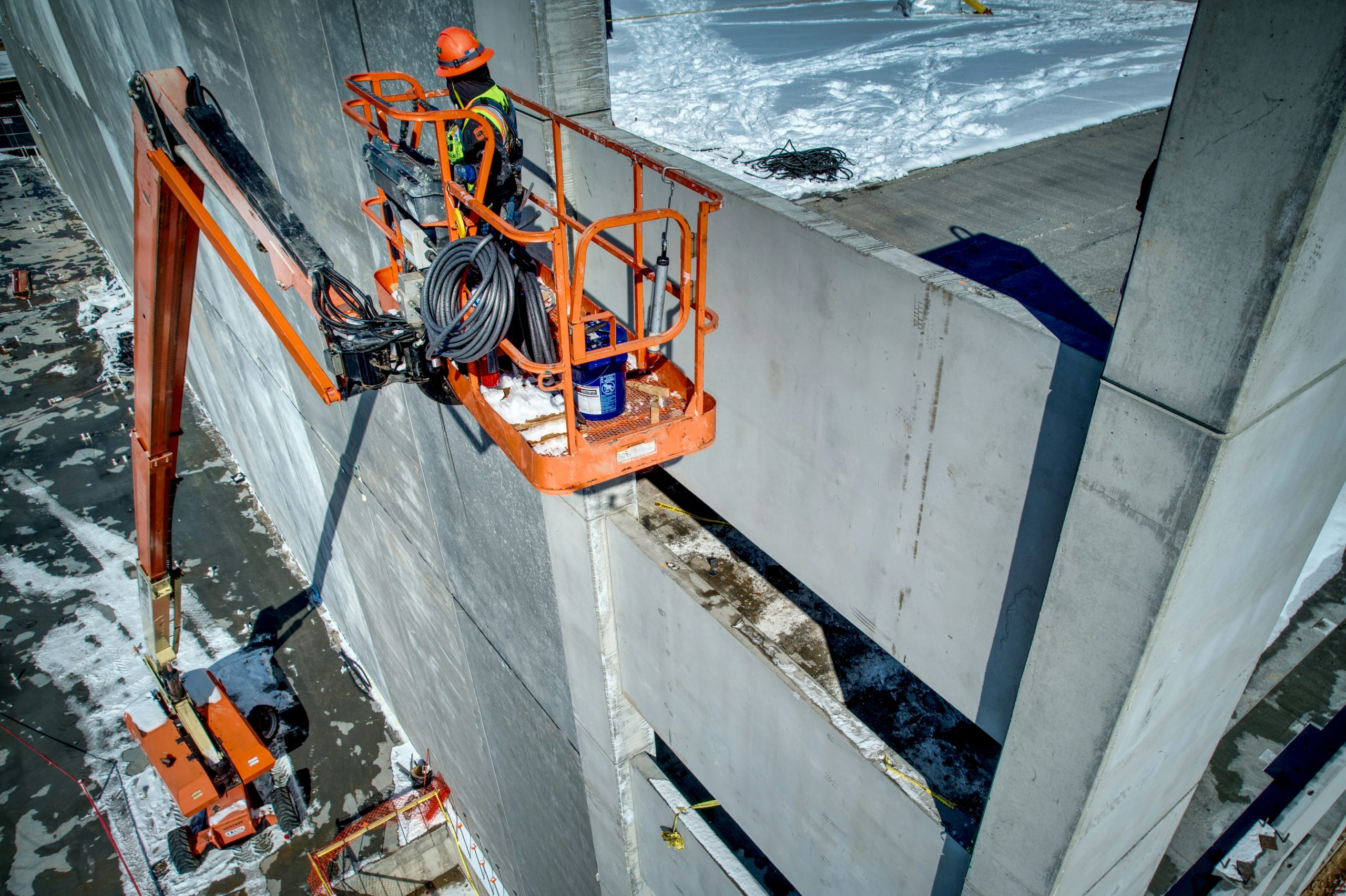
The first step in maintaining inlets, manholes, and outlet structures is consistency. Municipal teams should develop a routine inspection schedule based on traffic volume, environmental exposure, and storm frequency.
Key inspection points include:
-
Visible cracks or surface deterioration
-
Frame and cover alignment
-
Signs of settlement or shifting
-
Joint integrity and watertight seals
-
Evidence of infiltration or exfiltration
Regular inspections help catch small issues before they become structural failures. In high-traffic roadways, even minor settlement around a manhole can create safety hazards and accelerate wear.
Keep Inlets and Catch Basins Clear
Inlets and catch basins are designed to collect surface water and prevent flooding. However, debris buildup is one of the most common maintenance challenges.
Leaves, sediment, trash, and sand can accumulate inside inlet structures, reducing flow capacity and causing water to pond on roadways. This not only increases flood risk but also contributes to long-term structural stress.
Best practices include:
-
Routine vacuum cleaning of catch basins
-
Removing debris from grates and curb openings
-
Inspecting sump areas for excessive sediment buildup
Keeping these structures clean ensures proper drainage and reduces strain on downstream systems.
Monitor Manhole Covers and Frames 
Manhole covers endure significant stress from vehicle traffic. Over time, frames can loosen or shift, especially in areas with freeze-thaw cycles like New Jersey.
Maintenance teams should check for:
-
Rocking or unstable covers
-
Worn or damaged frames
-
Gaps between frame and surrounding pavement
If a manhole cover is not seated properly, it can create noise complaints, safety concerns, and premature deterioration of both pavement and concrete components.
Address Cracks and Surface Damage Early
While precast concrete is highly durable, exposure to weather, deicing salts, and heavy loads can cause surface wear over time. Small cracks should be evaluated promptly to determine whether they are cosmetic or structural.
Repairing minor surface damage early prevents water infiltration that could compromise reinforcement or accelerate freeze-thaw deterioration. For older structures, resurfacing or applying protective coatings may help extend service life.
Inspect Outlet Structures for Erosion
Outlet structures play a critical role in directing stormwater safely away from roads and properties. However, the force of flowing water can cause erosion around discharge points.
During inspections, look for:
-
Soil erosion near the outlet
-
Undermining beneath the structure
-
Scour at the base of headwalls
Installing riprap or erosion control measures where needed protects both the concrete structure and the surrounding landscape.
Maintain Proper Drainage Around Structures
Standing water around municipal concrete structures can lead to soil instability and settlement. Ensure that grading directs water away from manholes and inlets whenever possible.
If settlement is observed, it may be necessary to recompact surrounding soil or adjust pavement to restore proper alignment.
Plan for Long-Term Replacement Cycles
Even well-maintained structures will eventually reach the end of their service life. Developing a replacement schedule based on installation date and condition assessments helps municipalities budget proactively rather than react to emergencies.
Precast concrete products manufactured by Peerless Concrete are built to meet rigorous specifications and withstand demanding conditions. Our manholes, inlets, and outlet structures are commonly used in road improvement projects, residential developments, and municipal infrastructure upgrades across New Jersey.
Partnering for Performance
Municipal infrastructure is a long-term investment. By combining high-quality precast products with consistent inspection and maintenance practices, public works departments can extend service life, improve public safety, and manage costs effectively.
At Peerless Concrete, we are committed to supporting municipalities and contractors with durable products, efficient production turnaround, and reliable delivery. If your community is planning maintenance upgrades or infrastructure improvements, our team is ready to help you select the right solutions for long-term performance.