


Choosing the right septic tank is one of the most important decisions you will make when planning a residential or commercial property that is not connected to a municipal sewer system. Whether you are a builder developing multiple homes, a property owner constructing a new house, or a developer planning a commercial site, understanding septic tank sizing, materials, and installation basics can help ensure long-term performance and compliance with local regulations.
At Peerless Concrete, we have been manufacturing septic tanks in New Jersey since 1959. Our experience working with contractors, engineers, and property owners throughout the Tri-State Area has shown that proper planning upfront saves time, money, and future headaches.
Here is what you need to know.
Understanding Septic Tank Sizing
The size of your septic tank is determined primarily by expected wastewater flow. For residential properties, this is typically based on the number of bedrooms in the home rather than the total square footage. Local health departments and building codes often specify minimum tank capacities based on bedroom count.
For example:
-
A three-bedroom home may require a 1,000 gallon tank
-
Larger homes may require 1,250 gallons or more
-
Commercial properties require sizing based on estimated daily usage
Restaurants, retail centers, and other commercial buildings may also require additional components such as grease traps or larger capacity tanks due to higher wastewater volume.
Working closely with your engineer and local health department is critical to ensure compliance. At Peerless Concrete, we can help confirm sizing requirements and provide tanks that meet local specifications throughout New Jersey.
Choosing the Right Material
Septic tanks are commonly made from concrete, fiberglass, or plastic. While each has its place, precast concrete septic tanks are often preferred by contractors and developers for several reasons.
Durability
Concrete septic tanks are extremely strong and resistant to damage from soil pressure and heavy loads. This is especially important in areas where vehicles or equipment may pass above the tank.
Longevity
When properly installed and maintained, precast concrete septic tanks can last 40 to 60 years or more. Their structural integrity makes them a long-term solution.
Stability
Unlike lightweight plastic or fiberglass tanks, concrete tanks are less likely to shift or float in high groundwater conditions. In parts of New Jersey where water tables can fluctuate, this stability is a major advantage.
At Peerless Concrete, our septic tanks are manufactured in a controlled environment, ensuring consistent strength and quality from one unit to the next.
Site Conditions Matter 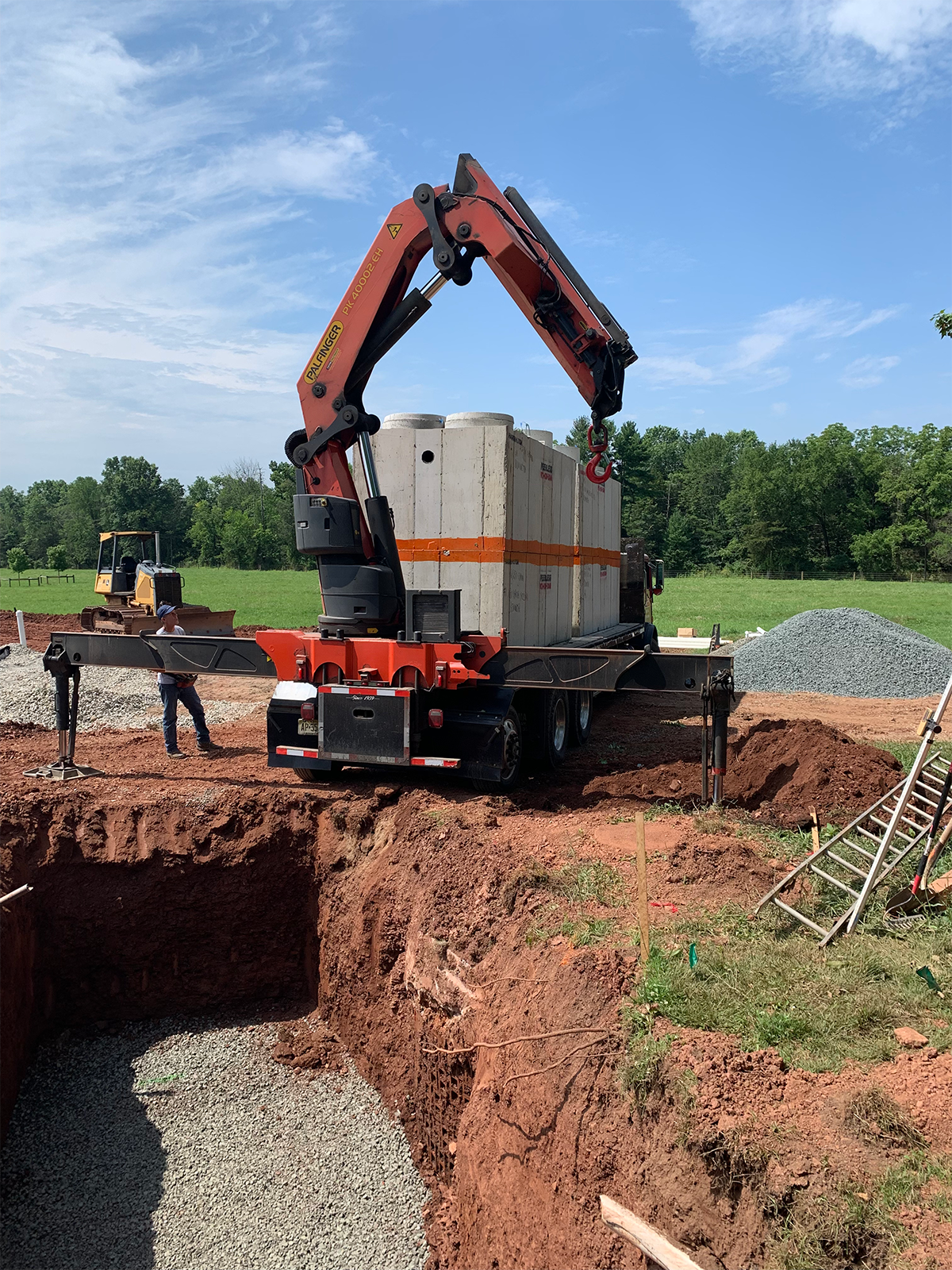
Before selecting a septic tank, it is important to evaluate the specific site conditions. Soil type, water table level, lot size, and local setbacks all play a role in determining the correct system configuration.
A proper site evaluation will determine:
-
Whether a standard septic system is suitable
-
The size and placement of the tank
-
The type of absorption field required
-
Any additional treatment components needed
Because every property is unique, working with experienced septic contractors and engineers is essential.
Septic Tank Installation Basics
Even the best septic tank will underperform if it is not installed correctly. Proper installation includes:
-
Preparing a level, stable base
-
Ensuring proper pipe connections and sealing
-
Backfilling carefully to prevent shifting
-
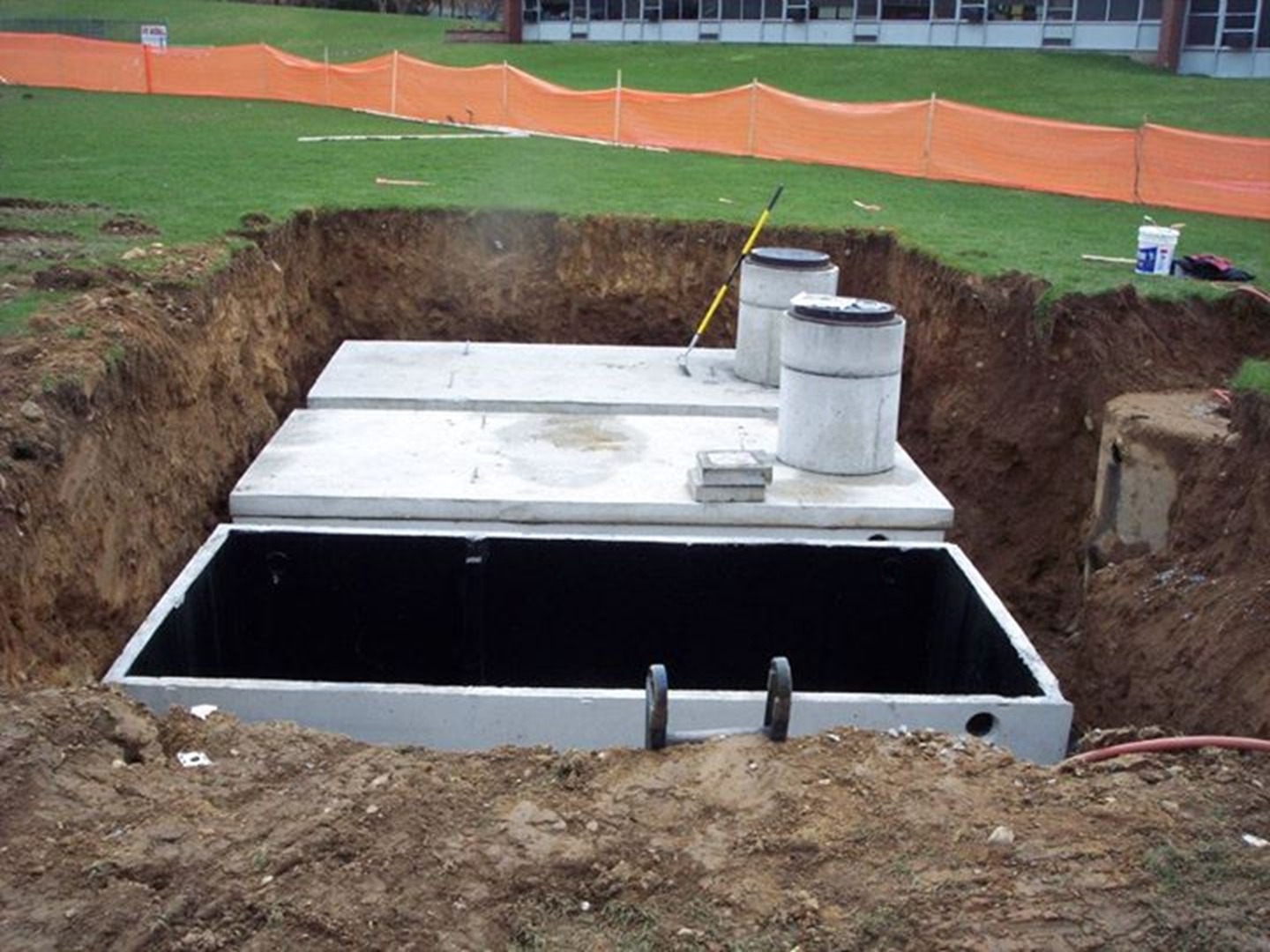
Installing risers or access lids as required
Using a precast septic tank from a trusted manufacturer like Peerless Concrete simplifies installation. Our tanks are delivered ready for placement, reducing on-site labor time and minimizing potential installation errors.
Coordination with your supplier is also important. Knowing access points, delivery logistics, and crane requirements ahead of time keeps your project on schedule.
Planning for Maintenance and Access
Septic systems require routine pumping and inspection. When choosing a tank, consider accessibility for long-term maintenance. Installing risers to bring access points closer to grade can make servicing easier and more cost-effective over time.
Builders and developers who plan ahead for maintenance needs help protect their clients’ investment and reduce future service complications.
Why Quality Matters
Cutting corners on septic systems can lead to costly repairs, environmental issues, and regulatory problems. A high-quality precast concrete tank provides peace of mind for decades.
Since 1959, Peerless Concrete has been supplying septic tanks to contractors and property owners across New Jersey. Our commitment to quality, customer service, and integrity means you receive a product built to perform under real-world conditions.
Whether you are building a single-family home, managing a multi-lot development, or planning a commercial project, selecting the right septic tank starts with proper sizing, durable materials, and experienced installation partners.
If you have an upcoming project and need guidance on septic tank options, contact Peerless Concrete today. Our team is ready to help you choose the right solution for your property.